

Civica: Italian Renaissance
Can my PC run Civica: Italian Renaissance
Find out whether your PC can run this game by reviewing the minimum and recommended requirements below.
Game Details
Minimum Requirements
Recommended Requirements
Game Description
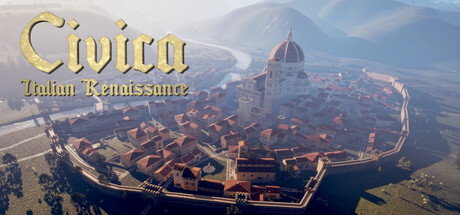
Civica brings the Italian Renaissance to life. Up-and-coming city-states compete for influence, humanist ideals spread throughout the country and challenge the old dominance of the still powerful Church, artists create masterpieces that define an entire era and long-established families such as the Medici attempt to divide power among their peers.
Civica offers a unique combination of a city-builder and a first-person role-playing game.
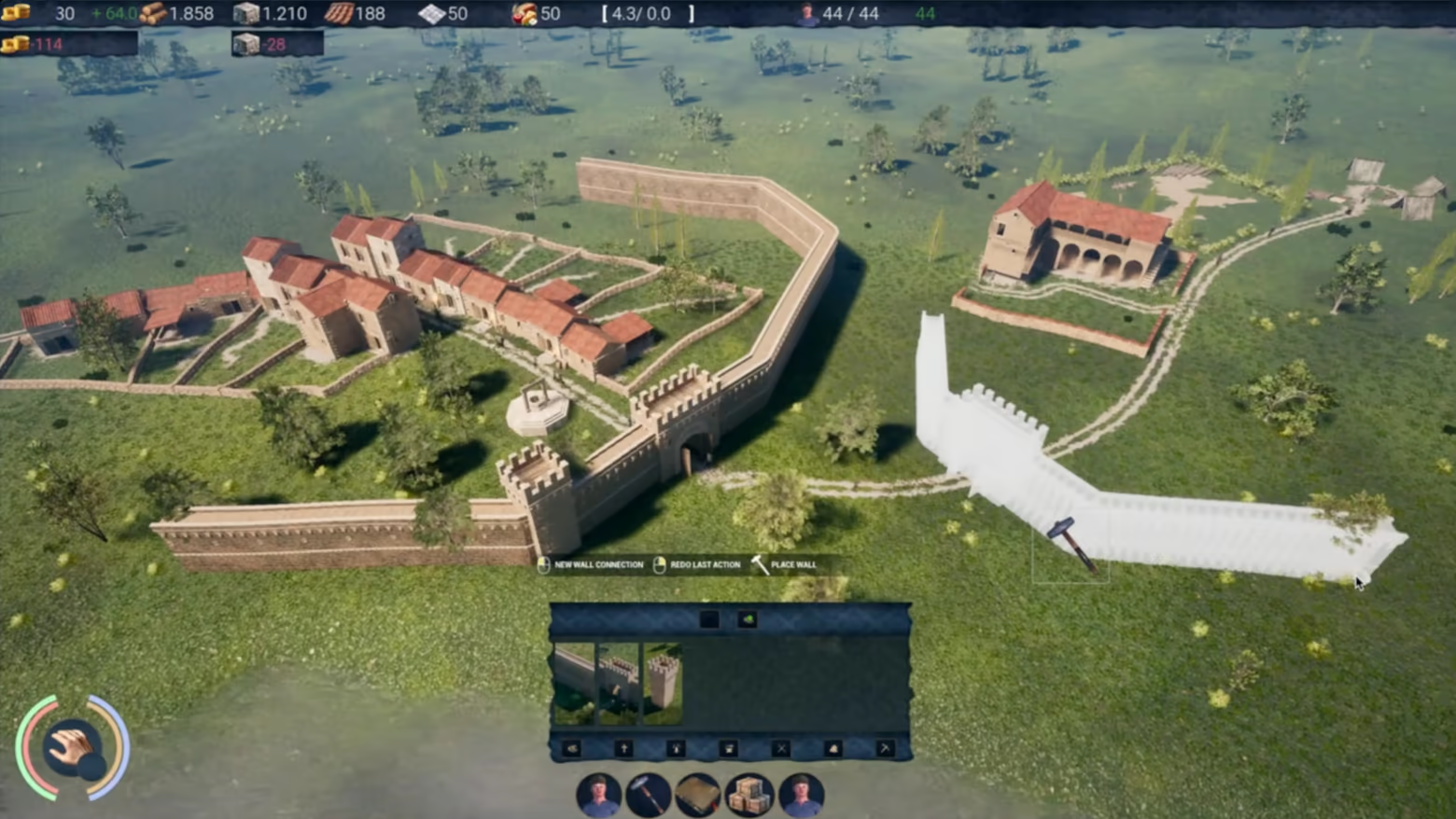
Assert yourself as a successful city lord and transform a small Tuscan village into a metropolis that is second to none. With gridless organic city building, flexible residential building slots and countless building upgrades, there are no limits to your vision.
Build production facilities and farms in the surrounding area and manage a variety of complex production chains to produce resources such as mosaics, roof tiles, pottery and wine. Satisfy the needs of four different population groups – farmers, craftsmen, citizens and nobles – with everyday goods and luxury items.
Build public buildings such as churches, fountains or schools to improve the quality of life in your city and attract higher classes who are not only willing to pay higher taxes, but also enable the construction of new buildings.
Establish a dynasty and care for your offspring. Secure influence in the city council and determine policy at regular council meetings with other city leaders. Decide whether there is room in the city for the new humanistic ideals or whether to seek solidarity with the church.
Engage your residents in conversation at the market square and attend to their individual needs and concerns, bribe the town council before the next election and lend a hand yourself when building the next residential building if progress is once again too slow.

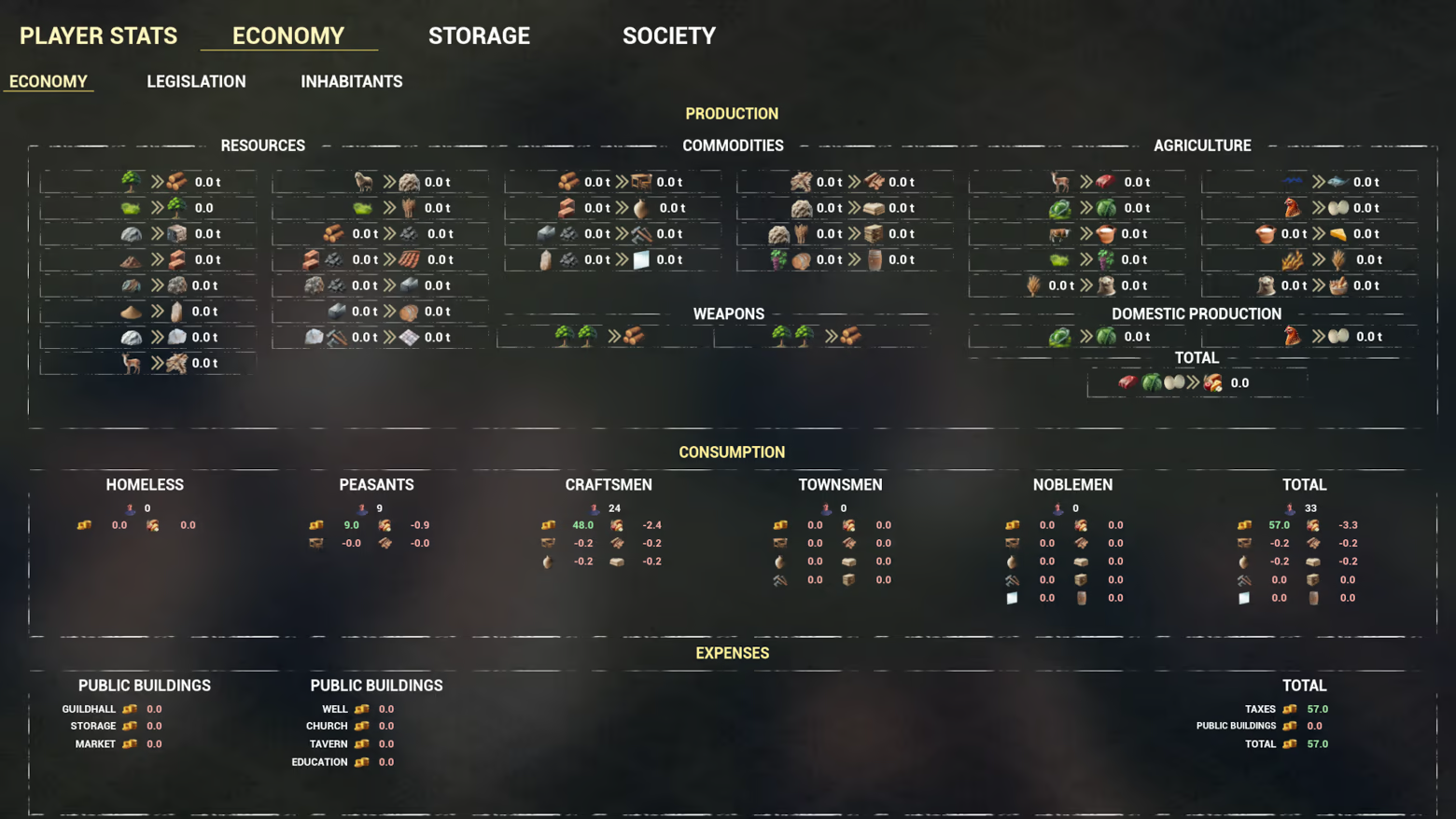
Manage a complex goods cycle consisting of primary resources, processed goods, luxury goods and a wide variety of food types. Take care of the variable needs of your residents for luxury goods, food and access to public buildings, which become increasingly complex in higher social classes. Trade with merchants at the marketplace and various lords in the surrounding area to compensate for supply shortages.

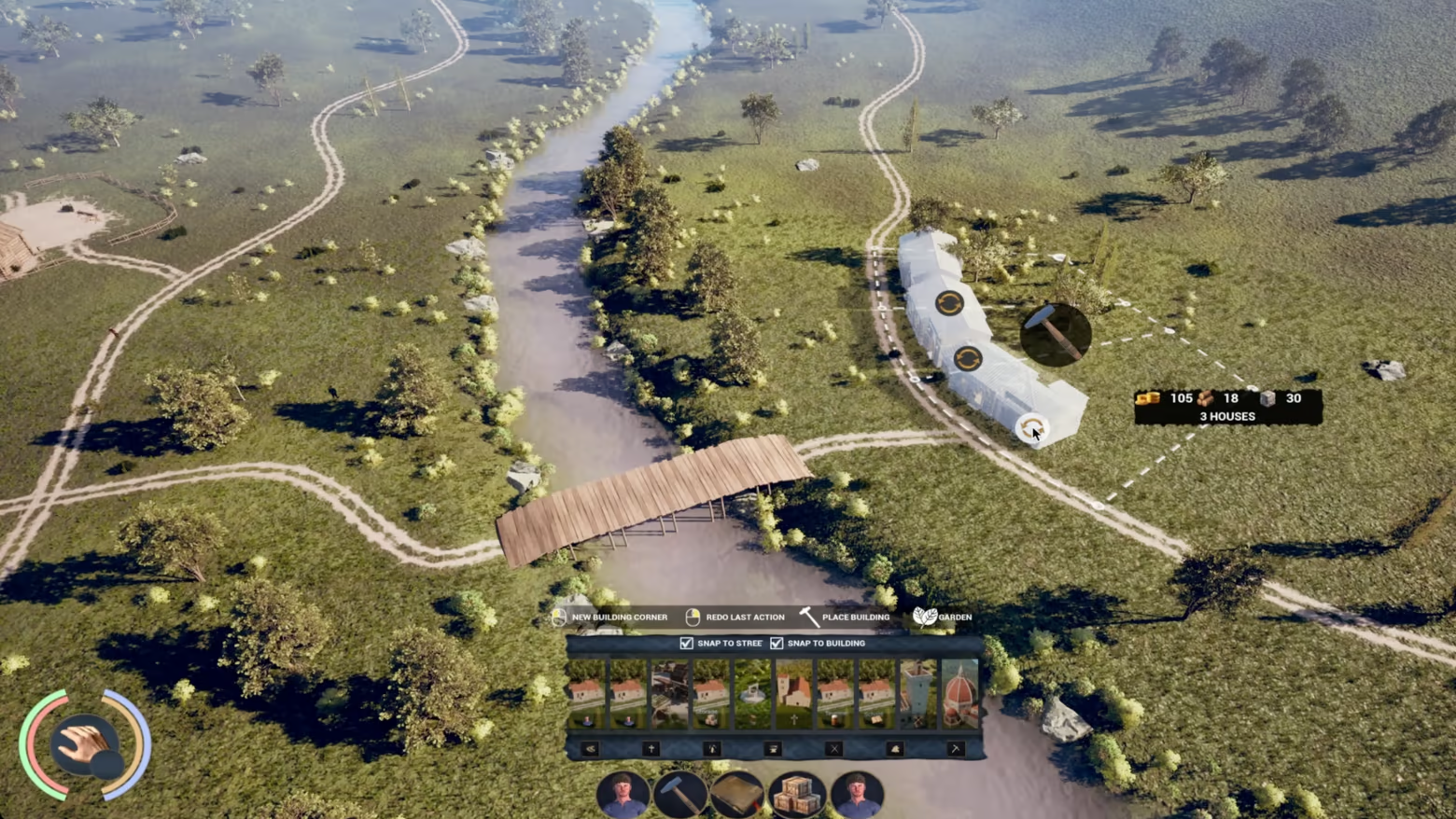
Roads can be built flexibly in organic shapes. The slots for residential buildings can also be designed flexibly in terms of shape and size and adapt to the shape of the roads. Neighboring residential buildings are connected to each other, enabling continuous rows of houses – as is typical in Tuscany, Italy. The backyards of residential buildings can be expanded with various upgrades, for example to increase food production by adding a chicken coop.

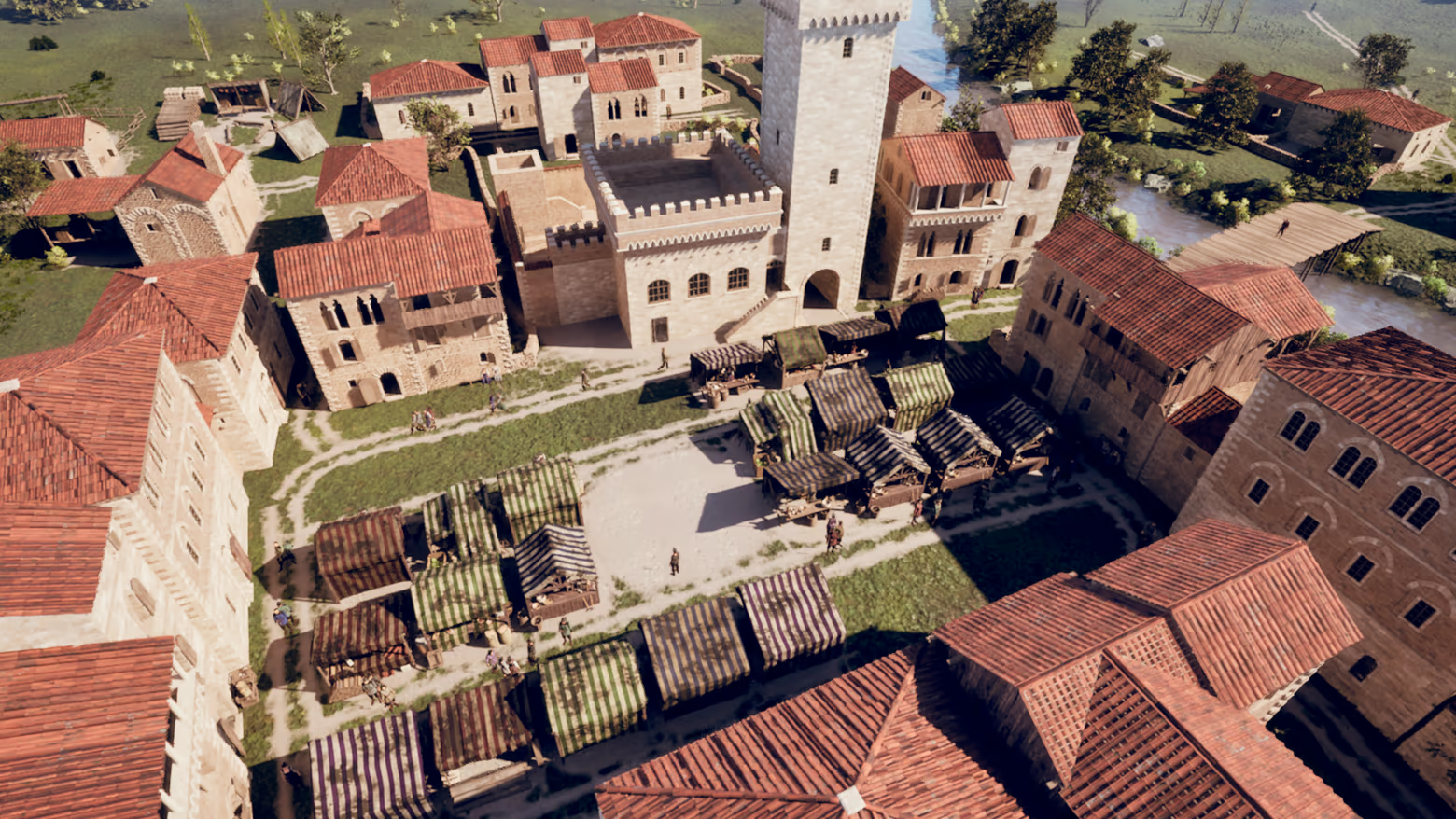
The complete simulation of residents with working hours, sleeping hours and leisure activities creates a bustling atmosphere in the city centres of Civica. While the residents go about their work in the businesses during the day, they visit the market square or the church in the afternoon, or rest at home after a long day at work, before falling into bed exhausted in the evening. All residents have individual needs that need to be met and occasionally give the player various quests.

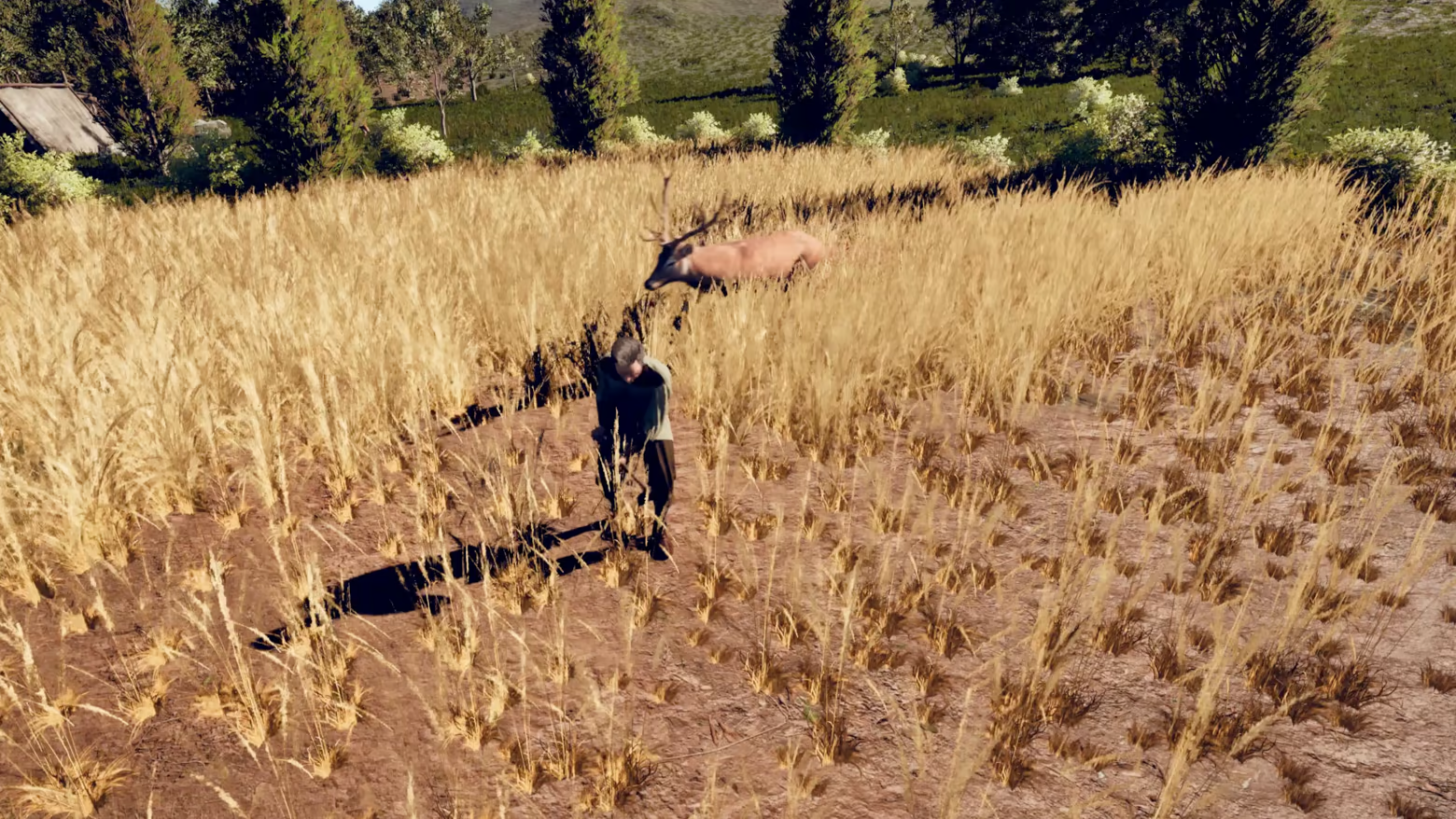
In addition to the day-night cycle, life and production are influenced by a dynamic weather system that can bring droughts or floods. The annual cycle also determines the cultivation of vegetables and cereals.

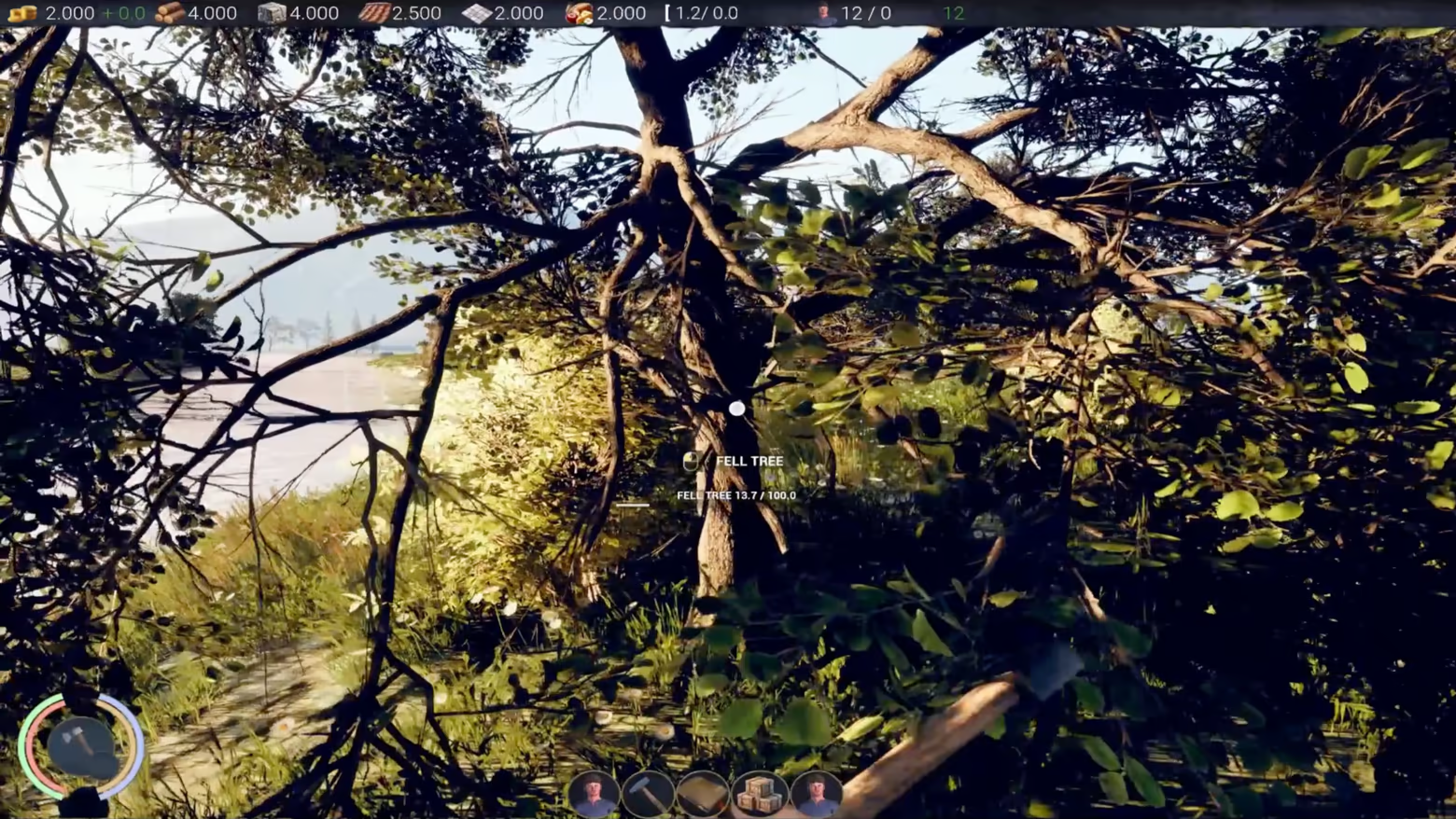
Playing from a first-person perspective is an integral part of the game. Resource extraction and processing, crafting and building construction can be carried out by the player themselves. All actions are influenced by the player's experience, skills and stats (health, stamina, hunger, sleep).

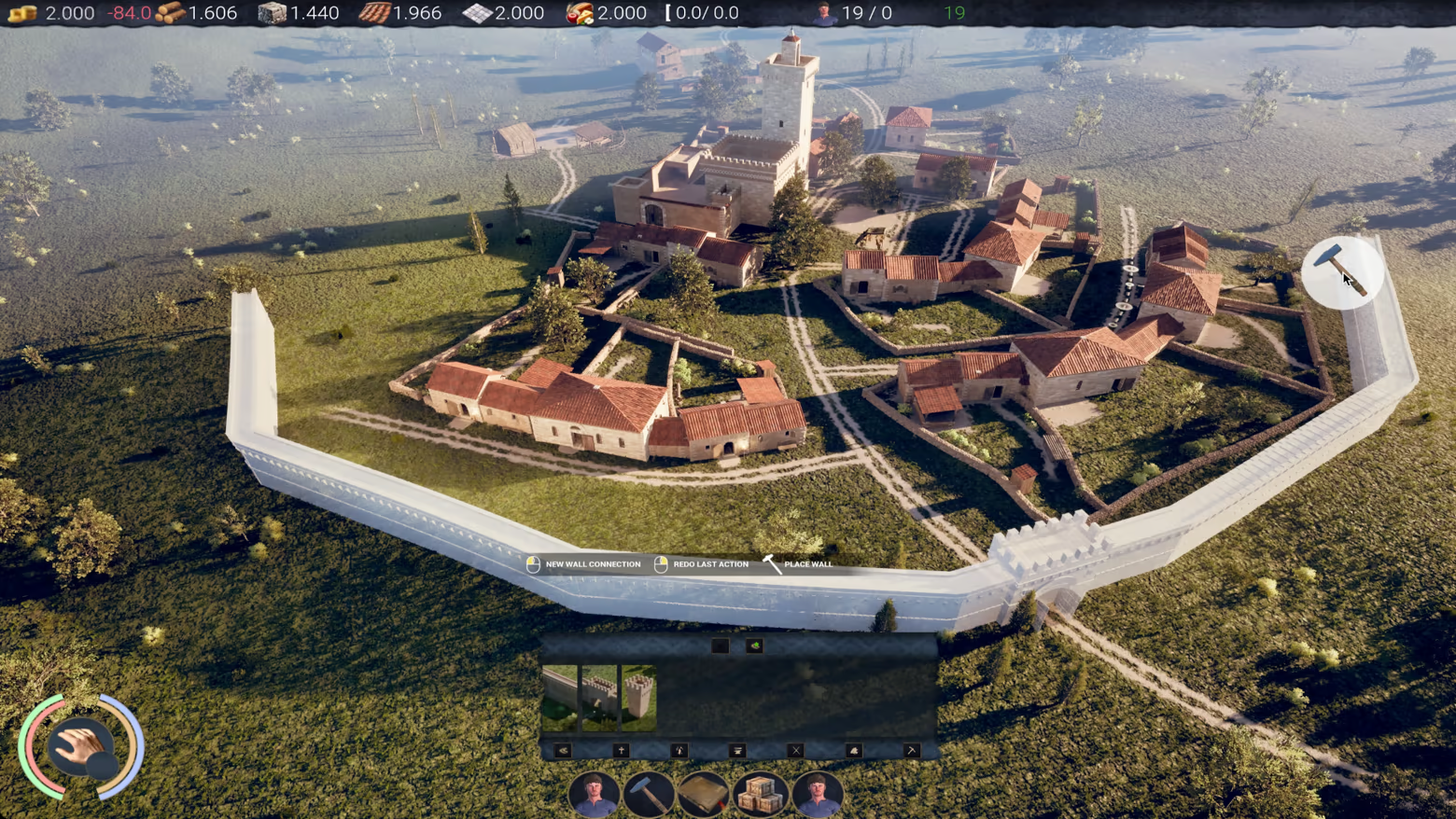
All models are modeled after Italian examples in order to authentically capture the Italian Renaissance period. Both the flora and fauna are influenced by Tuscany. The production techniques, resources and food are also based on the period, as are the names of cities, places, and people.